Key Takeaways
- Bunbury sits just 2 hours south of Perth and is home to 100-150 wild bottlenose dolphins that swim into Koombana Bay year-round
- The city has the largest street art collection in regional Australia, with a walkable CBD Mural Trail across 20 painted electrical boxes
- Ferguson Valley wine region is just 30 minutes inland, with 20+ cellar doors and the quirky Gnomesville attraction
- Bunbury attracted 720,000 domestic visitors in 2023, with $249 million in overnight visitor spending (Tourism WA)
- Known as the “City of Three Waters,” Bunbury offers surf beaches, calm bay swimming, and tranquil inlet walks all within minutes of each other
Where Can You See Wild Dolphins in Bunbury?
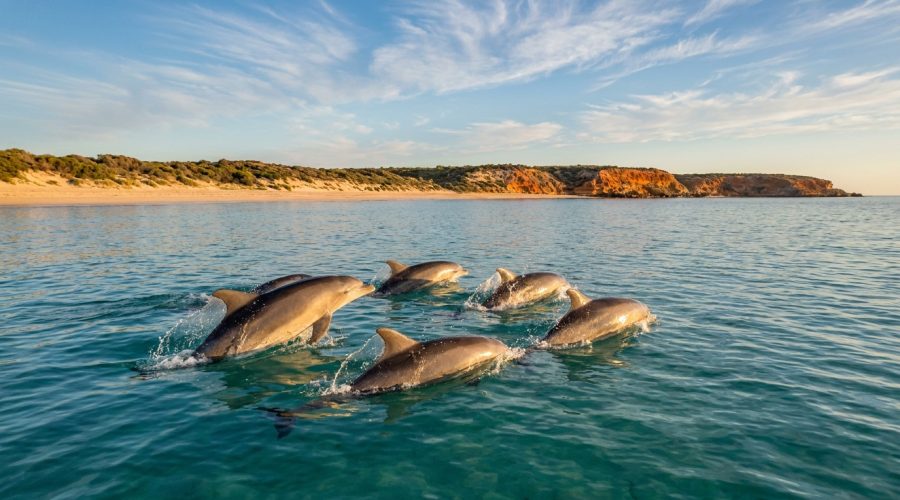
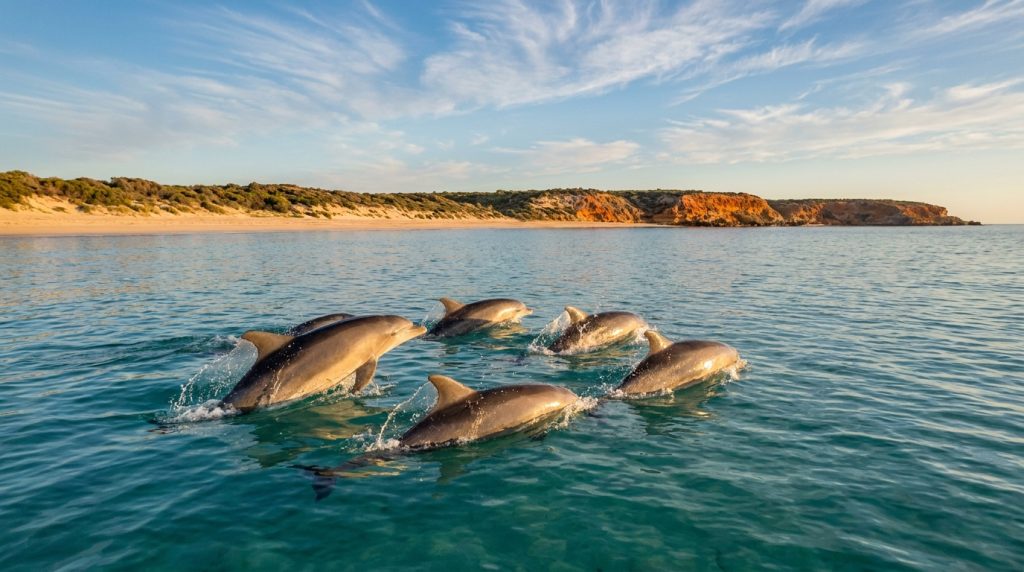
Koombana Bay is Bunbury’s headline attraction and the reason many visitors make the trip. Between 100 and 150 bottlenose dolphins use the bay as a resting and breeding area year-round, according to Visit Bunbury Geographe. Unlike marine parks where dolphins perform on cue, these are genuinely wild animals that choose to swim close to shore.
The Dolphin Discovery Centre on Koombana Drive is the best place to start. The interpretive centre features a 360-degree offshore reef tank with sharks and rays, plus the world’s only 360-degree Digital Dolphinarium — a seven-minute animated film that depicts dolphin life, predator defence, and feeding behaviours in the bay. Outside, the supervised beach interaction zone lets you wade into the shallows and wait for dolphins to approach — completely free of charge.
For a closer encounter, the Swim with Dolphins Tour is a 4-hour licensed ecotourism experience starting from around $43 per adult. Guided by trained volunteers, you’ll enter the protected waters where dolphins often swim within arm’s reach. Alternatively, the 1.5-hour Dolphin Eco Cruise covers more of the bay without getting wet. Dolphin sightings are most frequent from November through April, though residents are present year-round.
Pro tip: Arrive at the beach interaction zone before 10am on calm mornings — dolphins tend to be most active in the shallows early in the day before boat traffic picks up.
What Makes Bunbury's Street Art Scene So Special?
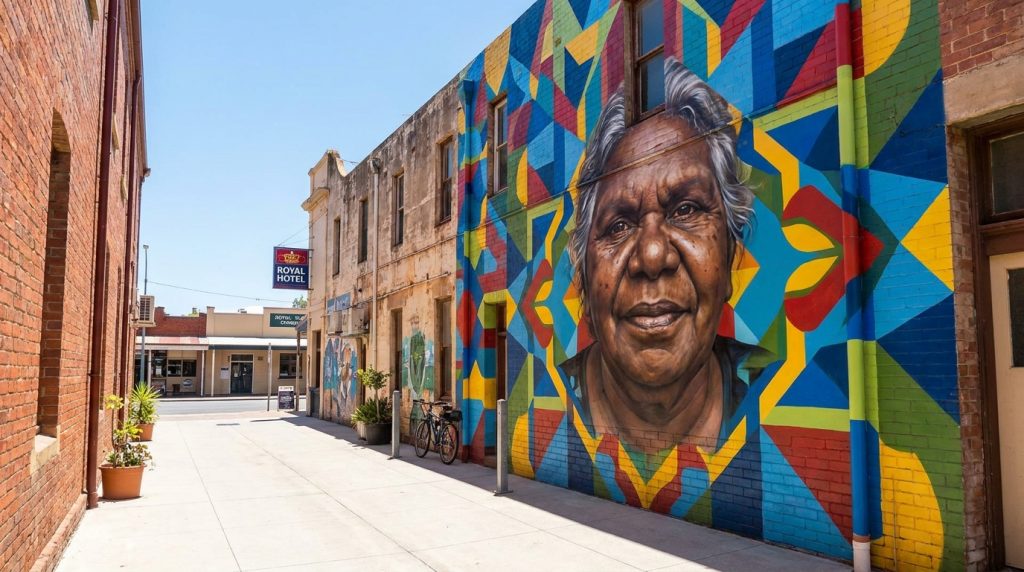
Bunbury holds the title of having the largest collection of street and public art in regional Australia. The CBD Mural Trail takes you past 20 painted electrical boxes scattered through the city centre, each featuring work by leading Western Australian artists. The 6230 Mural Project adds large-scale wall murals to the mix, making a self-guided walking tour one of the best free activities in town.
The Bunbury Regional Art Gallery (BRAG) is hard to miss — it’s housed in a striking bright pink former convent and is the largest regional art gallery in Western Australia. BRAG showcases local artists alongside national touring exhibitions and is open Wednesday to Sunday, 10am to 4pm. Entry is free.
History buffs should visit the Bunbury Museum and Heritage Centre, housed in the heritage-listed red-brick Paisley Centre. The exhibits cover Bunbury’s maritime history, Indigenous Wardandi Noongar culture, and the city’s transformation from a timber port to a modern regional centre. The Heritage Building Trail connects this with other historic sites across the CBD.
Which Bunbury Beach Is Best for You?
Known as the “City of Three Waters,” Bunbury offers three distinct coastal experiences within minutes of each other: Indian Ocean surf at Back Beach, sheltered family swimming at Koombana Bay, and calm flat-water canoeing on the Leschenault Inlet, making it one of Western Australia’s most versatile beach destinations.
| Beach | Best For | Wave Type | Family-Friendly | Key Feature |
|---|---|---|---|---|
| Back Beach | Surfing, body boarding | Consistent ocean surf | Older kids+ | Maidens Reserve walking trail |
| Koombana Bay | Swimming, SUP, kayaking | Calm, sheltered | Yes — shallow entry | Wild dolphin sightings |
| Basalt Beach | Quiet beach day, rock pools | Moderate | Yes | Basalt rock formations |
| Leschenault Inlet | Canoeing, foreshore walks | Flat water | Yes — pram-friendly paths | Mangrove boardwalk access |
For younger visitors, Koolambidi Woola is a purpose-built youth precinct near the foreshore featuring a multi-sports court, skating areas, parkour structures, mini golf, and a beach climbing net. There’s something for every age and ability level.
Scenic Lookouts and Heritage Walks
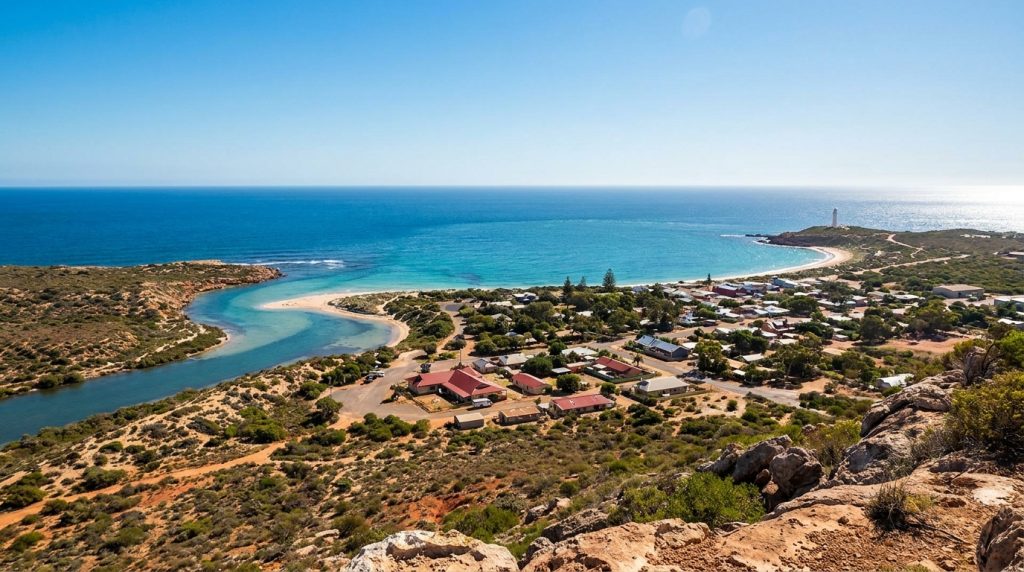
The short but steep climb to Marlston Hill Lookout Tower rewards you with a full 360-degree panorama across all three waters — the ocean, the bay, and the inlet. Connected to Victoria Street by a timber stairway, it sits on the site of Bunbury’s original lighthouse and is one of the most photographed spots in the region.
The Bunbury Lighthouse (the current one) stands 37 metres tall and is visible from 20 kilometres out to sea. While you can’t climb it, the surrounding area offers excellent coastal views.
Boulters Heights Lookout, between Wittenoom Street and Haig Crescent, provides an alternative vantage point with a slightly more challenging walk. The newer Koombana Park Lookout overlooks the inlet, the Mangrove Boardwalk, and Koombana Bay.
For a longer walk, the Marlston Waterfront Historic Walk traces the city’s maritime heritage along the foreshore, passing old jetty sites and the location of 13 historic shipwrecks that lie beneath Koombana Bay.
Where Should You Eat in Bunbury?
The Bunbury Farmers Market consistently ranks as the city’s top-rated attraction on TripAdvisor — and for good reason. The market sources produce from surrounding farms, much of it organic, and includes gourmet pies, local and French cheeses, hand-pressed juices, an on-site butcher, and a dedicated barista. Open 7 days a week, it’s worth a visit regardless of your plans for the rest of the day.
Pro tip: Saturday and Sunday mornings are the busiest. Weekday mornings offer the same produce with shorter queues and more time to chat with the stallholders.
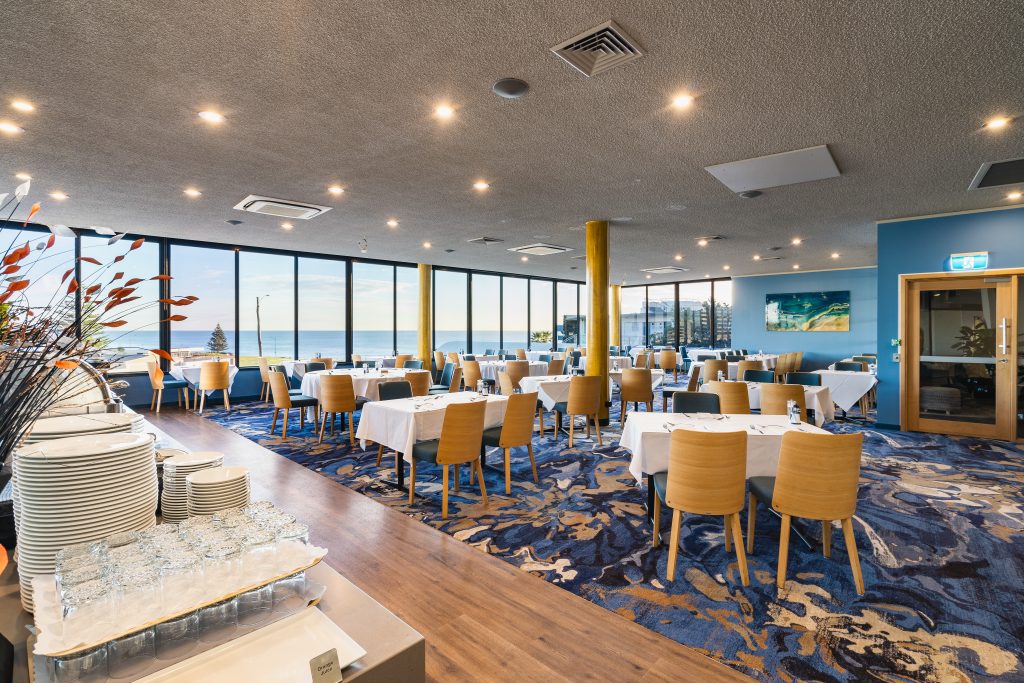
Victoria Street is Bunbury’s main dining and social strip, lined with independent cafes, restaurants, small bars, and boutique shops. Market Eating House is a local standout, named in the West Australian Good Food Guide Top 25 Casual Dining list. For waterfront dining, Basalt by the Sea at Mantra Bunbury offers ocean views with a menu built around local produce.
The Parade Hotel in East Bunbury and the restaurants along Marlston Hill Waterfront round out the dining options. Bunbury’s food scene punches well above its weight for a regional city.
Wildlife and Nature
Bunbury Wildlife Park is regularly voted one of the top 10 things to do in the city on TripAdvisor. Home to native marsupials, birds, and reptiles, it’s a great stop for families and a chance to see kangaroos, wallabies, and wombats up close. The park hosts birthday parties and group bookings.
One of Bunbury’s most unique natural features is the Mangrove Boardwalk in Koombana Park. This easy walk passes through 20,000-year-old mangroves — the southernmost mangroves in Western Australia — via a raised wooden boardwalk. The full circuit covers 5.3 kilometres and connects to the Leschenault Inlet walking trail, which winds past mangroves toward the restaurant-lined shoreline.
The Wardandi Boodja Sculpture near the foreshore acknowledges the Traditional Owners of the region, the Wardandi Noongar people, and is a meaningful stop along any walking route.
What Are the Best Day Trips from Bunbury?
Ferguson Valley (30 minutes)
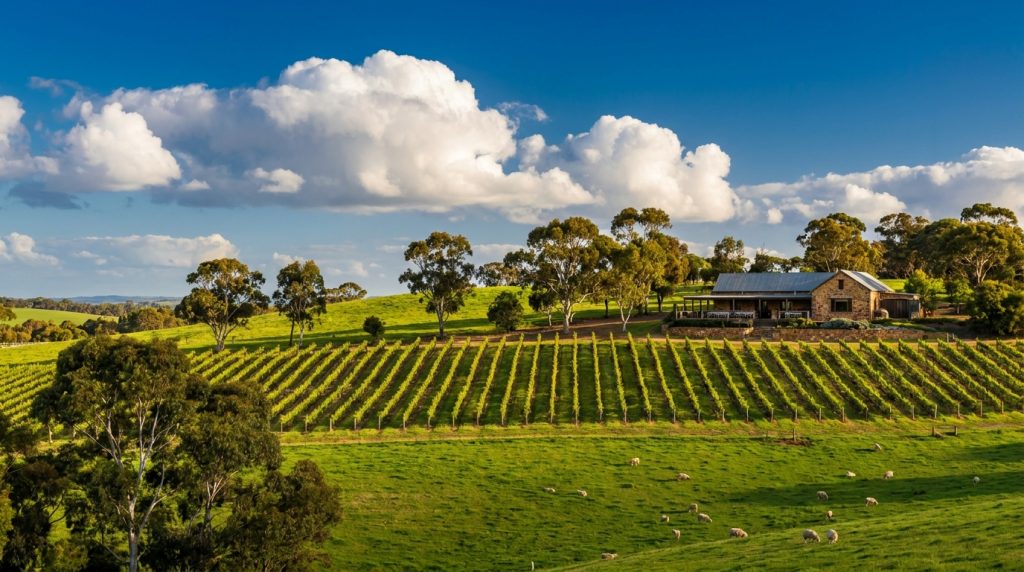
The Ferguson Valley is Bunbury’s backyard wine region, with more than 20 vineyards and wineries producing small-batch wines across rolling hills. Highlights include Willow Bridge Estate, St Aidan Wines, and Green Door Wines, which offers unique sensory black wine glass tastings for connoisseurs. After wine tasting, stop at Gnomesville — a quirky roadside clearing where thousands of garden gnomes have been left by visitors over the years. It’s free, bizarre, and oddly charming. The RAC Ferguson Valley One-Day Drive Trail provides a suggested route.
Pro tip: Start at Gnomesville first (it opens at dawn), then work your way through the cellar doors from south to north. Most wineries open at 10am and close by 4pm.
Collie (1 hour)
Once Western Australia’s most important coal mining town, Collie has reinvented itself as an outdoor adventure destination. Stockton Lake is the star attraction — a former quarry with crystal-blue water and white cliffs, popular for swimming, boating, and camping in summer. Wellington National Park surrounds the town with bushwalking trails and the Mount Lennard Mountain Bike Network, which offers trails for all skill levels.
Busselton (40 minutes)
The Busselton Jetty stretches 1.8 kilometres into Geographe Bay — the longest wooden jetty in the Southern Hemisphere. Walk it, ride the solar-powered jetty train, or descend to the underwater observatory at the far end. Busselton’s calm beaches make it an easy half-day addition.
Harvey (30 minutes)
A small agricultural town known for its orchards, the Harvey Fresh dairy factory, and the scenic Harvey Dam. Worth a quick stop on the way to or from Perth.
Family-Friendly Activities
Bunbury is one of the most family-friendly regional destinations in Western Australia. The Dolphin Discovery Centre alone can fill half a day with its interactive exhibits, aquariums, and beach interaction zone. The Koombana Bay Playground and foreshore area are excellent for younger children, with shaded play equipment right next to the calm swimming beach.
Koolambidi Woola caters to older kids and teenagers with skating, parkour, mini golf, and multi-sports courts. Bunbury Wildlife Park is a hit with all ages, and the Mangrove Boardwalk is flat, pram-friendly, and interesting enough to keep kids engaged.
For something different, the Warbird Experience offers aerobatic joy flights for thrill-seekers, while the Bunbury Aero Club runs 30-minute and 1-hour scenic flights with customisable routes — a memorable treat for older children.
Frequently Asked Questions
What is Bunbury WA best known for?
Bunbury is best known for its wild bottlenose dolphins that swim into Koombana Bay, its street art trail (the largest in regional Australia), and its proximity to the Ferguson Valley wine region. The city is also called the “City of Three Waters” for its unique geography spanning ocean, bay, and inlet.
How far is Bunbury from Perth?
Bunbury is approximately 175 kilometres south of Perth, about a 2-hour drive via the Forrest Highway. The Australind train service also connects Perth to Bunbury daily.
How many days do you need in Bunbury?
Plan for 2-3 days to explore Bunbury and its surrounds comfortably. One day covers the dolphins, street art, and foreshore. A second day allows for the Farmers Market and a Ferguson Valley or Collie day trip. A third day opens up Busselton or a more relaxed beach day.
Is Bunbury good for families?
Absolutely. Between the Dolphin Discovery Centre, Bunbury Wildlife Park, calm Koombana Bay beach, multiple playgrounds, and the Koolambidi Woola youth precinct, Bunbury has more family-friendly activities than most regional towns in WA.
What is the best time to visit Bunbury?
November to April is peak season — warm weather, best dolphin activity, and ideal beach conditions. However, Bunbury is a year-round destination. Winter (June-August) is quieter and cooler but perfect for wine touring in Ferguson Valley, heritage walks, and the Farmers Market. Average temperatures range from 12-17°C in winter to 18-30°C in summer.